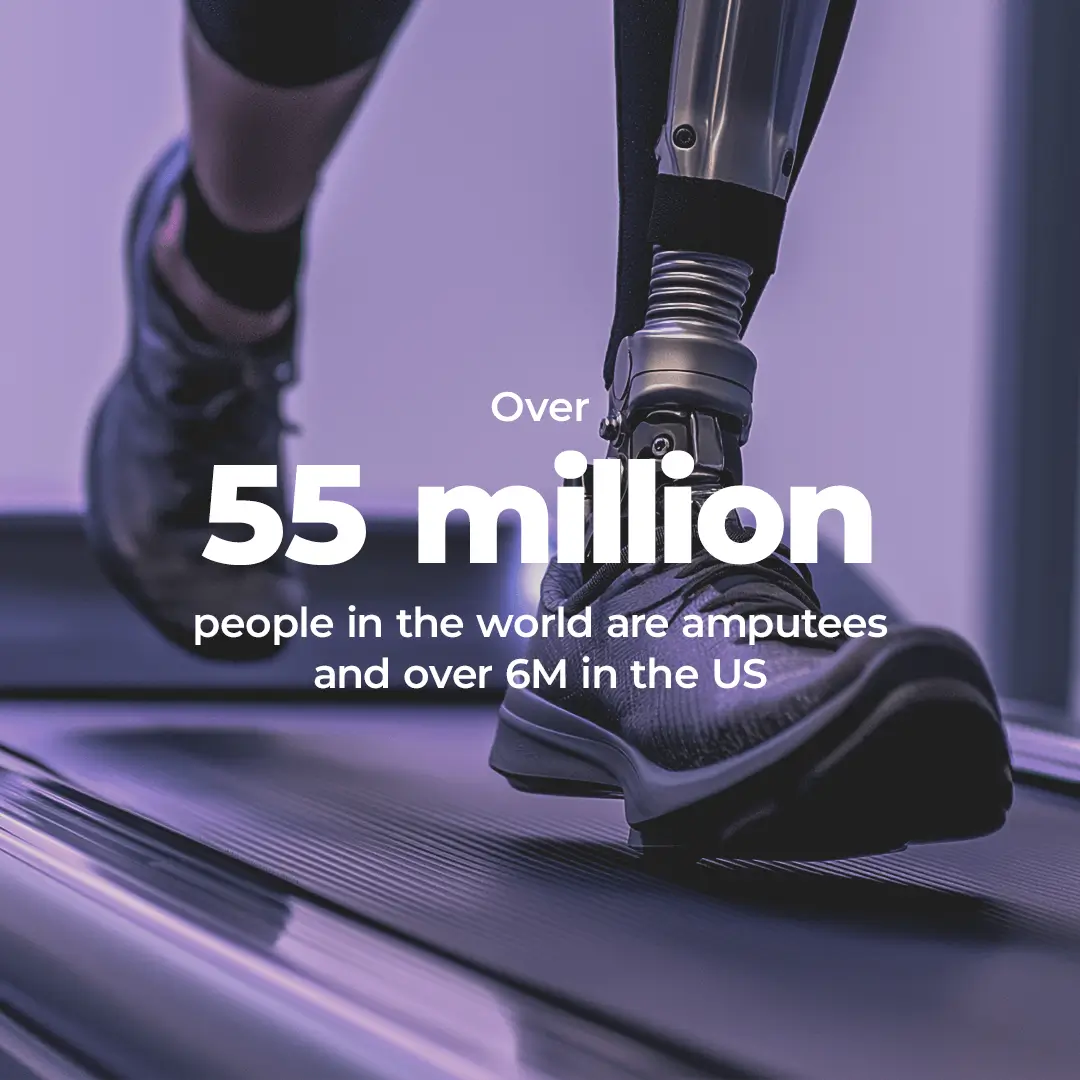
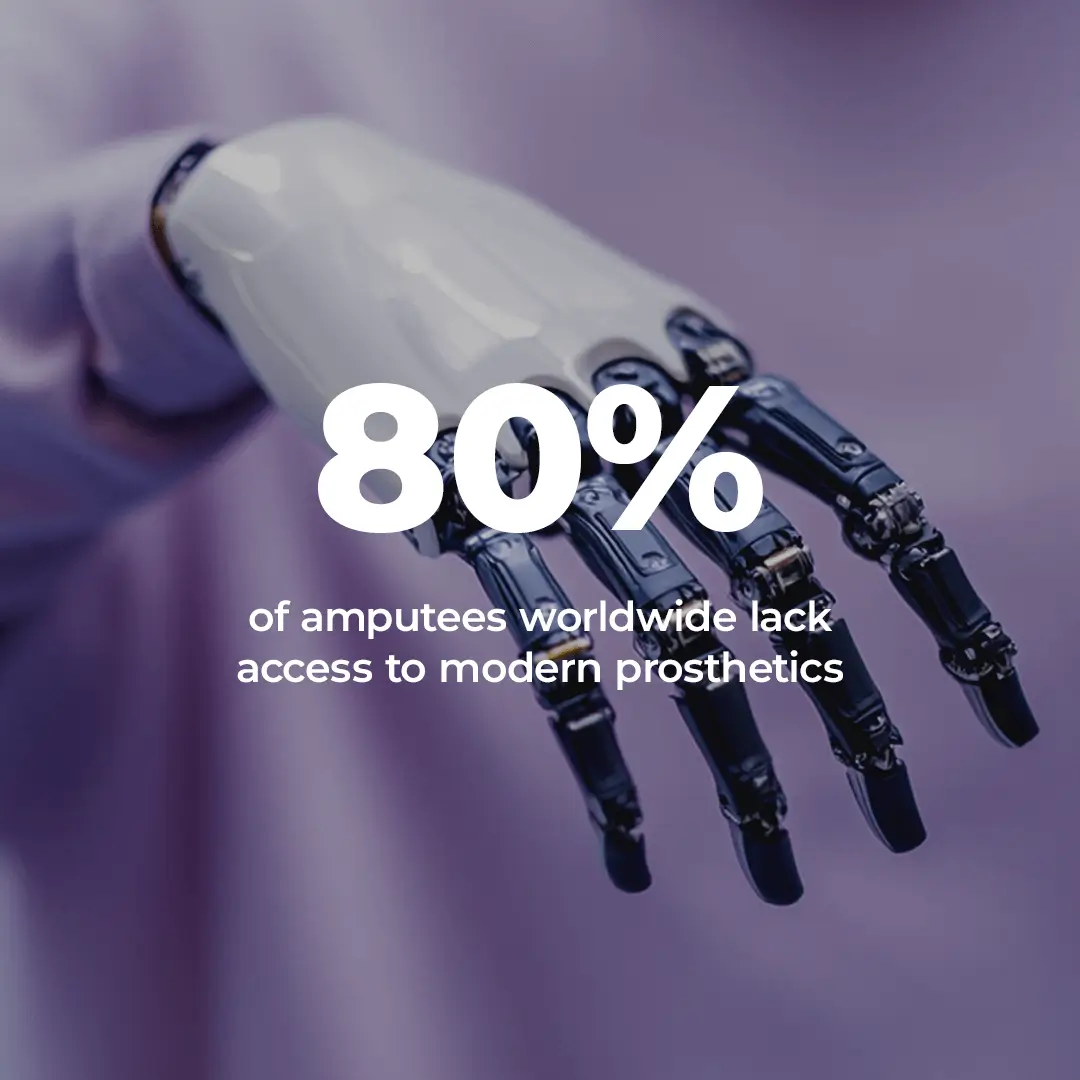
There is a canyon between what’s been invented and what’s actually accessible to both the amputees and the physicians who serve them. Right now, pioneering life-changing technologies—like virtual reality (VR) therapy that eliminates phantom limb pain and new materials that result in lighter prosthetics with more functionality—are only available to a select few.
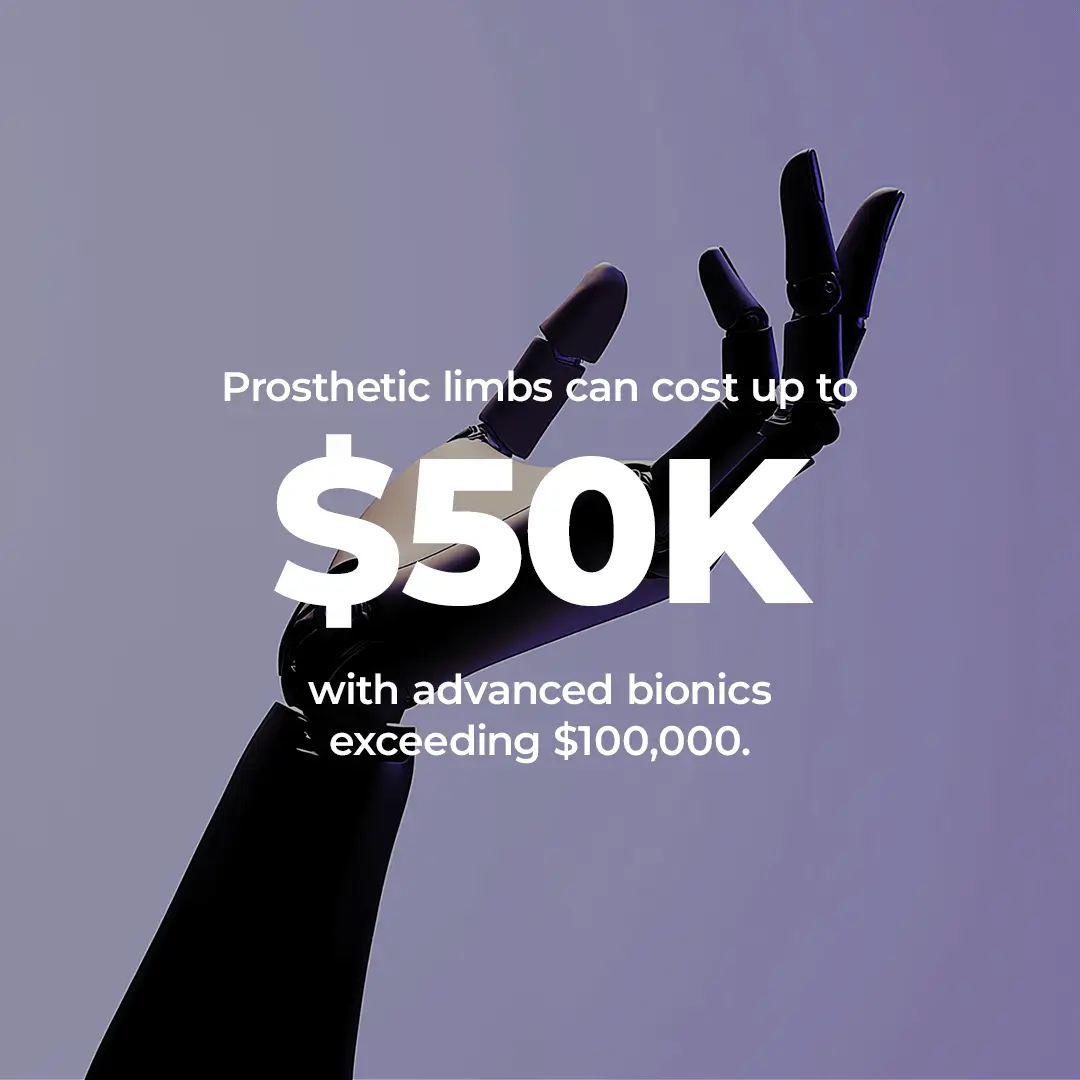
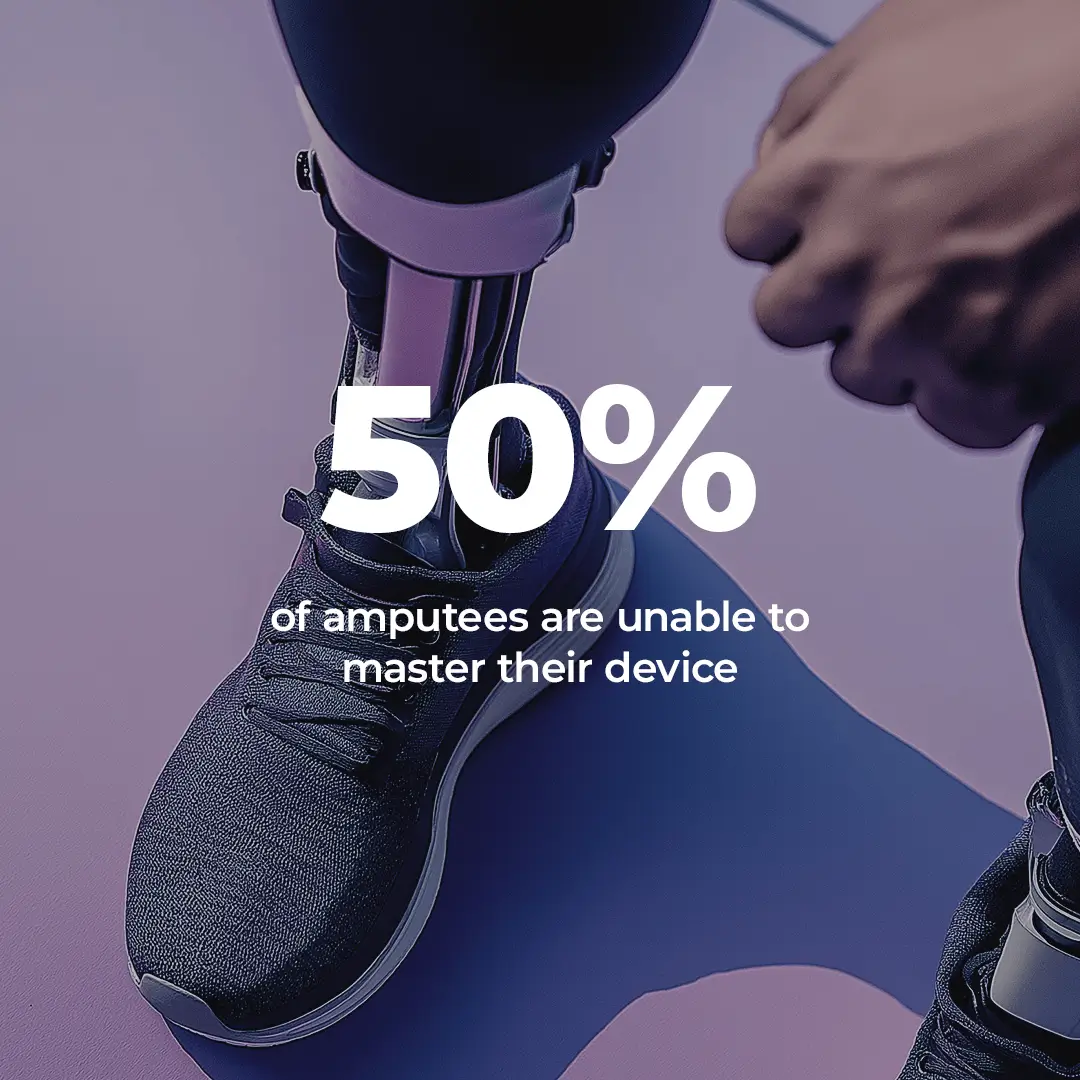
And there seems to be no shortage of hurdles between amputees and the prosthetics they need: high development costs mean long delivery timelines, making heavy materials more accessible but extremely outdated. There is also a steep, often frustrating, learning curve to using your prosthetic, not to mention the expense, making functional limb replacements out of reach for too many people who need them.